On Being a Physician
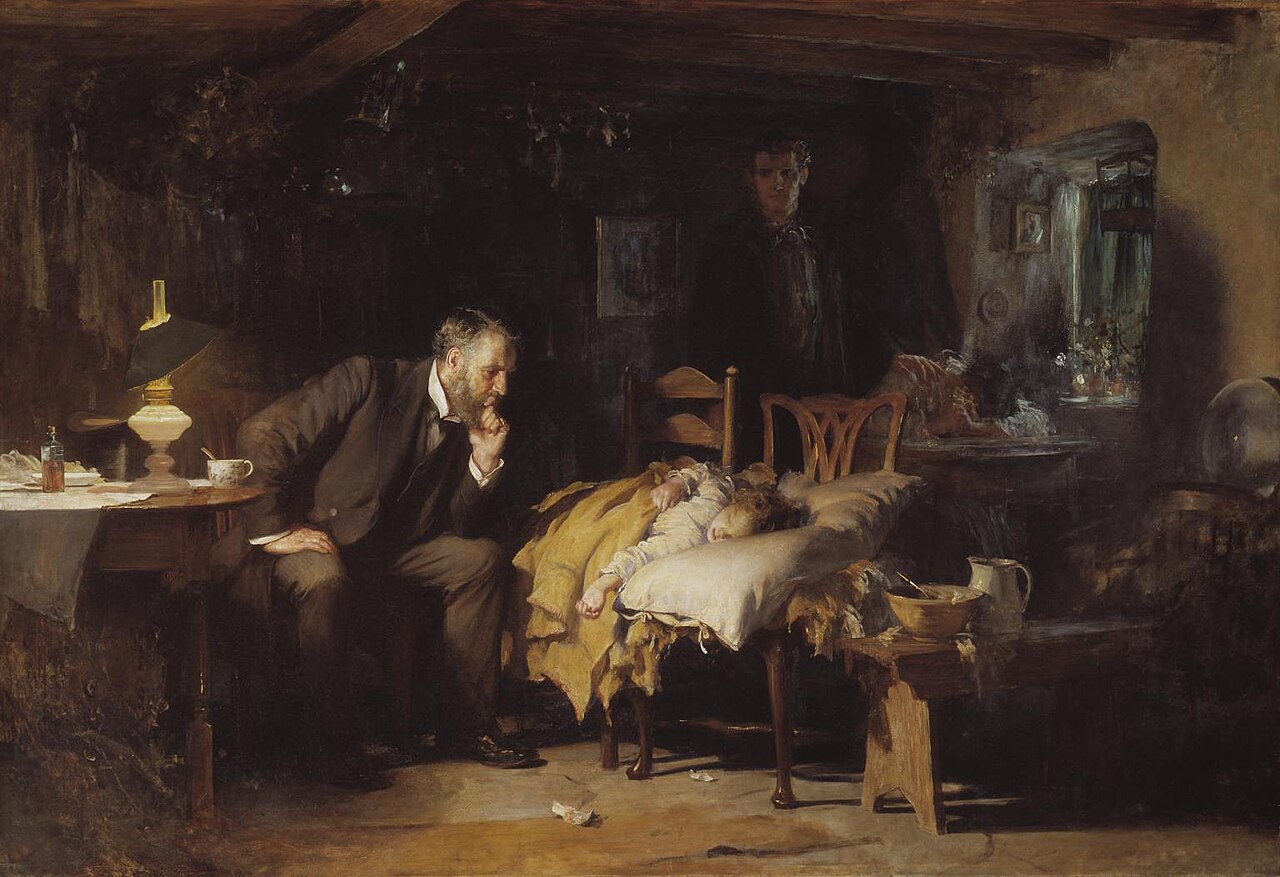
No greater opportunity, responsibility, or obligation can fall to the lot of a human being than to become a physician. In the care of the suffering, [the physician] needs technical skill, scientific knowledge, and human understanding.… Tact, sympathy, and understanding are expected of the physician, for the patient is no mere collection of symptoms, signs, disordered functions, damaged organs, and disturbed emotions. [The patient] is human, fearful, and hopeful, seeking relief, help, and reassurance.
—Harrison's Principles of Internal Medicine, 1950
Being a doctor is a privilege; our patients allow us to share in their troubles and triumphs, and place their faith in our judgement and skill.
The physician is not just a prescriber medicaments but a symbol of all that is transferable from one human to another - short of immortality.
We may not live forever, but we persist in the notion lotion that the physician possesses the science and artistry that will provide us with endless deferrals
---Norman Cousins
"Guérir parfois, soulager souvent, réconforter et à toujours"
(“To cure sometimes, to relieve often, and to comfort always”)
Cultural and Linguistic Competence
Medicine is often supported by “hard science” of research evidence.
Clinical practice often shifts to the “soft science” of medicine, combining patients’ culture and beliefs, their histories, and medication adherence to provide the best possible care.

Empathy
The clinician’s role does not end with diagnosis and treatment. The importance of the empathic clinician in helping patients and their families face serious illness and death cannot be overemphasized. “To cure sometimes, to relieve often, and to comfort always” is a French saying as apt today as it was five centuries ago—as is Francis Peabody’s admonition: “The secret of the care of the patient is in caring for the patient.” Training to improve mindfulness and enhance patient-centered communication increases patient satisfaction and may also improve clinician satisfaction.
Ethics
Ethical practices are called for in medical care at both the “micro” level of the individual patient-clinician relationship and the “macro” level of allocation of resources or the adoption of infection-reducing public health interventions. Ethical principles that guide the successful approach to diagnosis and treatment are honesty, beneficence, justice, avoidance of conflict of interest, and the pledge to do no harm. Increasingly, Western medicine involves partnership with patients in important decisions about medical care, eg, which colorectal screening test to obtain or which modality of therapy for breast cancer or how far to proceed with treatment attempts for patients who have end-stage illnesses